Interactive patient education that works like a product, not a handout.
144+ physician-designed interactive modules, licensed in six main clinical bundles so coverage stays clear for your team and your contract. Deploy by link, QR code, iframe, kiosk, or branded build—without routine PHI collection in standard use. Start with a guided review when you are ready to align scope and next steps.
Explore the full platform, see how this works for health systems, or learn more about branded deployment.
Static patient education is easy to distribute and easy to forget.
Patients leave visits and forget key explanations. Printed handouts vary by clinician. Portal articles feel generic. Across larger groups and systems, education is often hard to standardize across providers, sites, and follow-up workflows.
Low engagement after the visit
Printed material is easy to hand out, but it rarely creates durable understanding or follow-through.
Broad content, weak fit
Patients often get a library that feels disconnected from the actual specialty, workflow, or conversation.
Hard to standardize across teams
Education often changes by provider, site, or workflow, which makes consistency difficult to maintain at scale.
A diagnosis-linked, workflow-friendly education library for modern healthcare.
Each module is patient-facing, interactive, and built to explain a specific diagnosis, condition, decision, or care pathway more clearly than a static handout. For architecture and deployment detail, explore the platform overview.
Organizations license the bundles that match their service lines, then deploy before visits, during visits, after discharge, inside digital products, or through branded programs. Review diagnosis-linked workflows or start from a main bundle below.
Designed to support patient understanding before, during, and after care, without turning education into a major technical project.
Links and QR codes
Send education after visits, add it to print materials, or make it available anywhere patients already interact with care.
Portals and iframes
Place the experience inside websites, portals, telehealth workflows, or digital health products without a separate backend build.
Kiosk and tablet use
Use the apps in office settings for guided education, waiting-room engagement, or self-service workflows.
Licensed branded deployment
Larger organizations can license branded, buyer-hosted deployment with scoped support—see white-label patient education.
Six main licensed bundles for health systems, digital health, and larger care programs.
Each bundle below matches a defined module list—so evaluation, contracting, and rollout stay aligned. Request a guided review when you want help choosing bundles, deployment, and branding.
Deep-dive page live today: Mental health & behavior. Additional bundle pages can follow the same format as they roll out.
Heart, vessel, and metabolism education—hypertension, lipids, diabetes, AFib, heart failure, thrombosis, and related risk topics.
Anxiety, mood, trauma, substance use, ADHD, habits, emotional regulation, and adjacent behavioral health education.
Breast and gynecologic topics, pregnancy and postpartum, pelvic floor, hormones, fibroids, endometriosis, contraception, menopause.
Back pain, arthritis, chronic pain, osteoporosis, falls, joint procedures, and recovery-oriented education.
Screening pathways, treatment navigation, survivorship, and high-burden tumor education.
Asthma, COPD, allergic rhinitis, pediatric asthma, and sleep-disordered breathing.
Add-on specialty bundles
Layer onto a main bundle or license on their own when one specialty drives the purchase. Module counts match the live catalog.
GERD, IBS/IBD, liver and gallbladder, bariatric and nutrition-adjacent topics.
Seizure, movement, demyelinating, headache, vestibular, autoimmune, neuropathy, common skin modules.
CKD education, stones, and common outpatient bladder/UTI topics.
Prostate conditions, testosterone, and men's sexual health education.
Full library licensing spans 144+ modules today with continued growth—bundle scope is always defined in writing before deployment.
Review real modules the way your team would in evaluation.
These embeds mirror the live product—open real apps, try the interactivity, and switch previews to match the bundle lens your team is evaluating.
Start with the full platform for breadth, or jump to a hero-bundle slice. Each view loads the same deployment; only the curated scope changes.
Now viewing: Full platform preview
Use the preview the way a buyer would: open real apps, sample specialty coverage, and decide whether the experience feels strong enough for real patient-facing use.
Best next step
If the preview looks promising, request a guided review tailored to your organization—the fastest way to confirm bundle fit, deployment, and licensing without guessing from a public price list.
Easy to evaluate. Easy to pilot. Easy to deploy.
Standard deployment does not require routine PHI collection, patient logins, or a heavy backend. Teams can test the platform quickly and use it across direct links, QR codes, iframe embeds, kiosk or tablet workflows, or branded deployment.
For deeper rollout details, see White-Label Patient Education and Patient-Specific Education Resources.
"The Mental Health bundle provides my clients with research-backed, medically credible tools instead of unreliable online quizzes. My clients complete professional assessments, download their results, and we discuss them in session."
Licensed Professional Counselor, Collective Counseling
No routine PHI collection
Typical deployment does not depend on collecting, storing, or transmitting patient data just to deliver education.
No heavy backend for standard use
Teams can evaluate and pilot real deployment paths without standing up a separate data layer or heavier implementation work.
Link, QR, iframe, kiosk, or brand
Deploy by direct link, QR code, iframe embed, kiosk or tablet workflow, or a branded white-label experience.
Built for pilots and broader rollout
A team can move from live preview to guided review to focused pilot without the deployment burden common to heavier healthcare platforms, including more patient-specific education workflows.
Built for health systems, digital health products, specialty programs, and care teams that need licensed depth.
Buyers license bundle-scoped coverage to standardize education across providers and sites, reinforce post-visit and post-discharge communication, support screening and outreach, and add a patient-facing layer without building a content operation from scratch.
See how this works for health systems, digital health companies, or clinics.
Health-system teams can review post-discharge patient education and diagnosis-linked workflows. Telehealth and product teams usually start with the digital health page or white-label deployment.
Independent clinics and specialty practices
Standardize education, reduce repetitive explanation time, and add a better patient experience without taking on a new IT project.
Therapy groups, psychiatry, and addiction programs
Use interactive education to support psychoeducation, reinforce sessions, and extend understanding beyond the visit through the flagship mental health bundle.
Telehealth platforms and product teams
Embed physician-designed education without building a content operation, and review branded deployment when the product experience needs to stay under your own banner.
Weight loss and metabolic clinics
Support obesity care, cardiometabolic education, treatment discussion, and follow-through with a more engaging format.
Health systems and multi-site care teams
Standardize education across sites, reinforce post-discharge communication, and evaluate diagnosis-linked workflows without the setup burden of heavier tools.
Built by a physician who saw how often patients left visits with explanations that were too rushed, too generic, or too easy to forget.
Interactive Health Education was designed from real clinical pain points rather than generic content assumptions. The product exists because too much patient education still feels fragmented, forgettable, or disconnected from actual care.
That clinical starting point shaped the product judgment behind the library: clearer explanations, more useful interaction, stronger specialty relevance, and deployment models that fit real healthcare settings.
The content is built from real clinical communication needs, not repackaged from generic wellness copy.
The product exists because the founder saw the limits of rushed verbal explanations and static education tools firsthand.
The experience is meant to be used, not just read, which makes the education feel more like a product than a handout.
Clinical credibility is paired with a delivery model that smaller teams can start with and larger organizations can scale.
See more of the library across specialties and devices.
These examples help buyers judge visual quality, topic breadth, and whether the product feels strong enough for real patient-facing use.
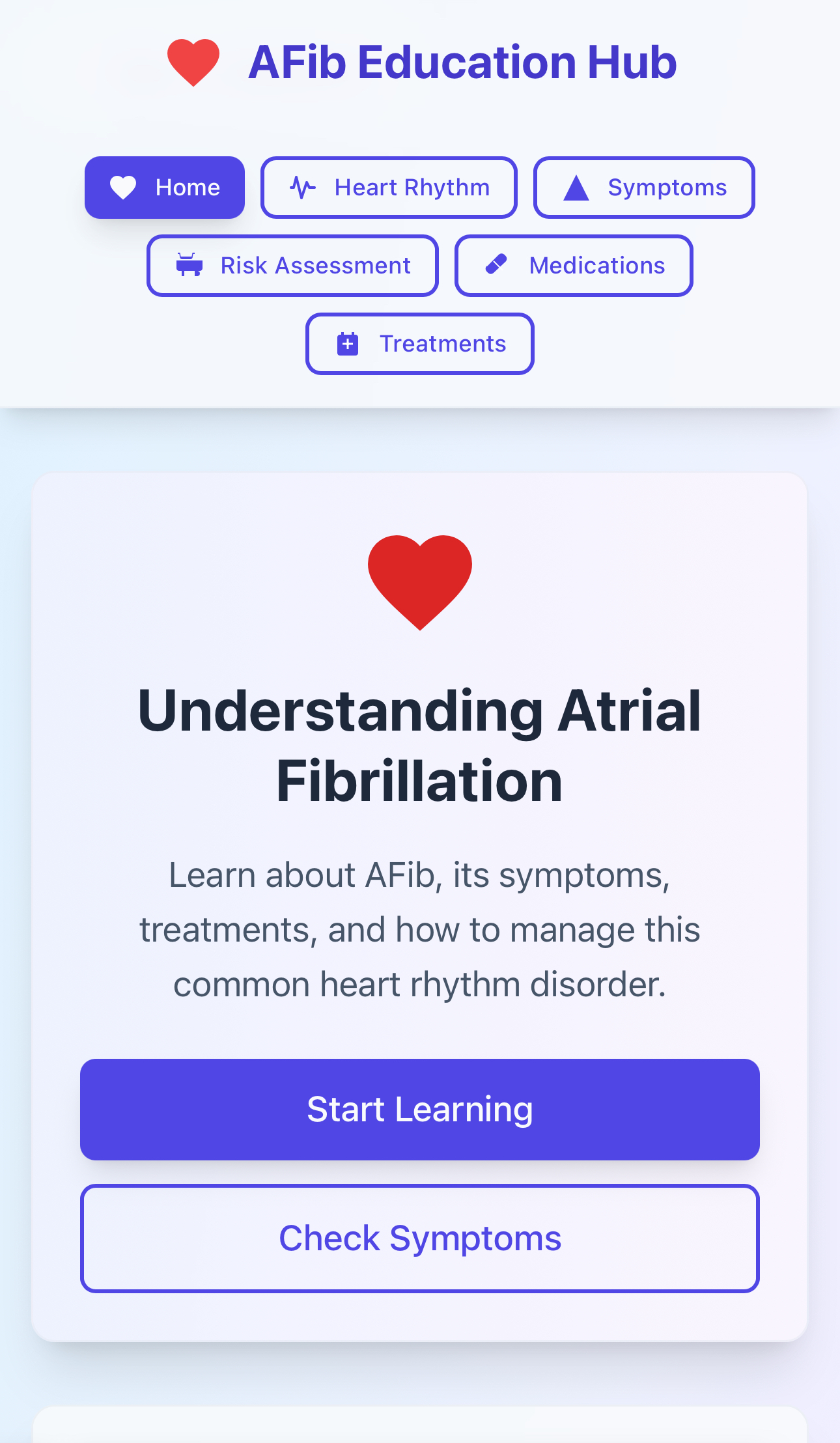
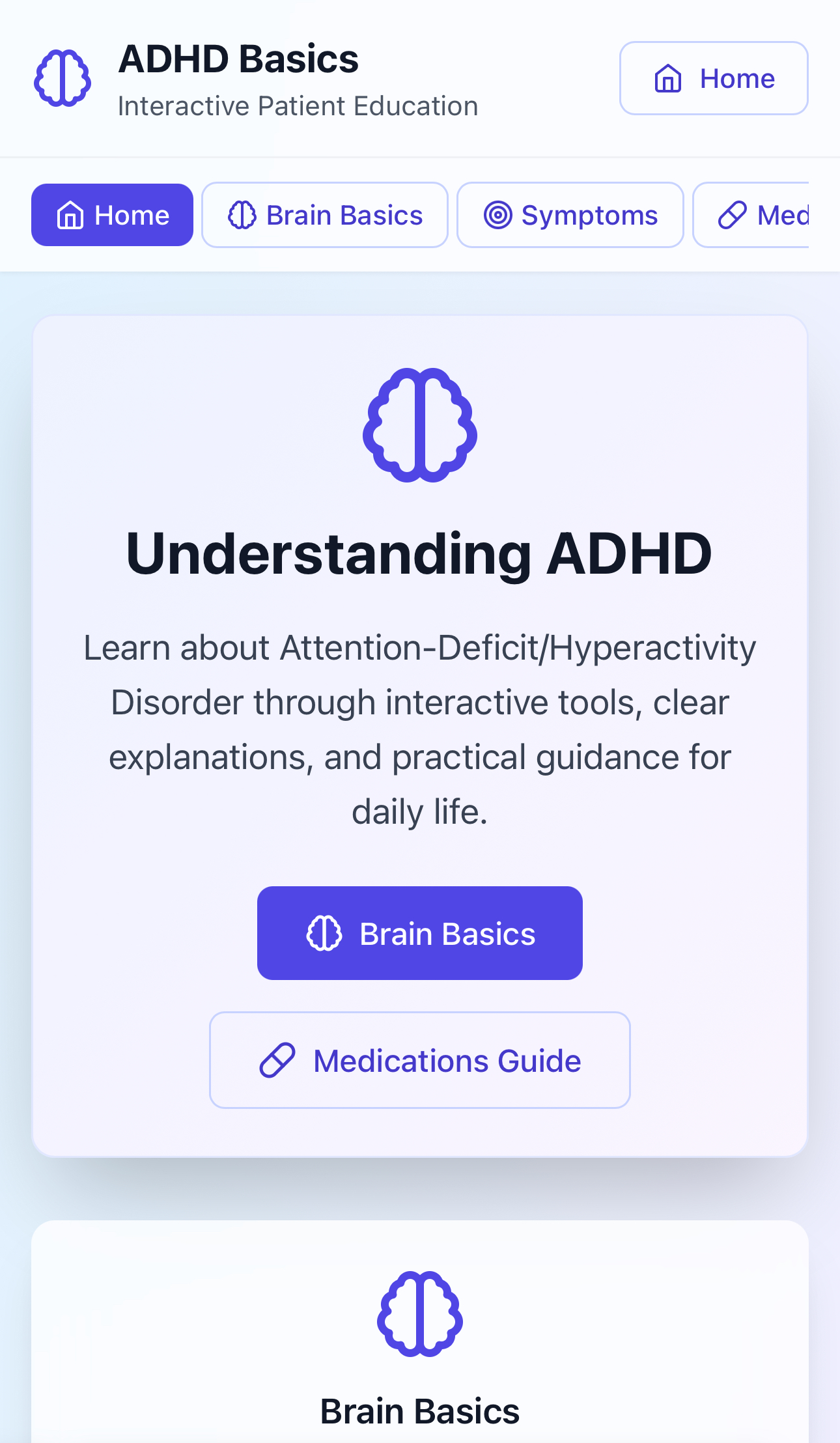
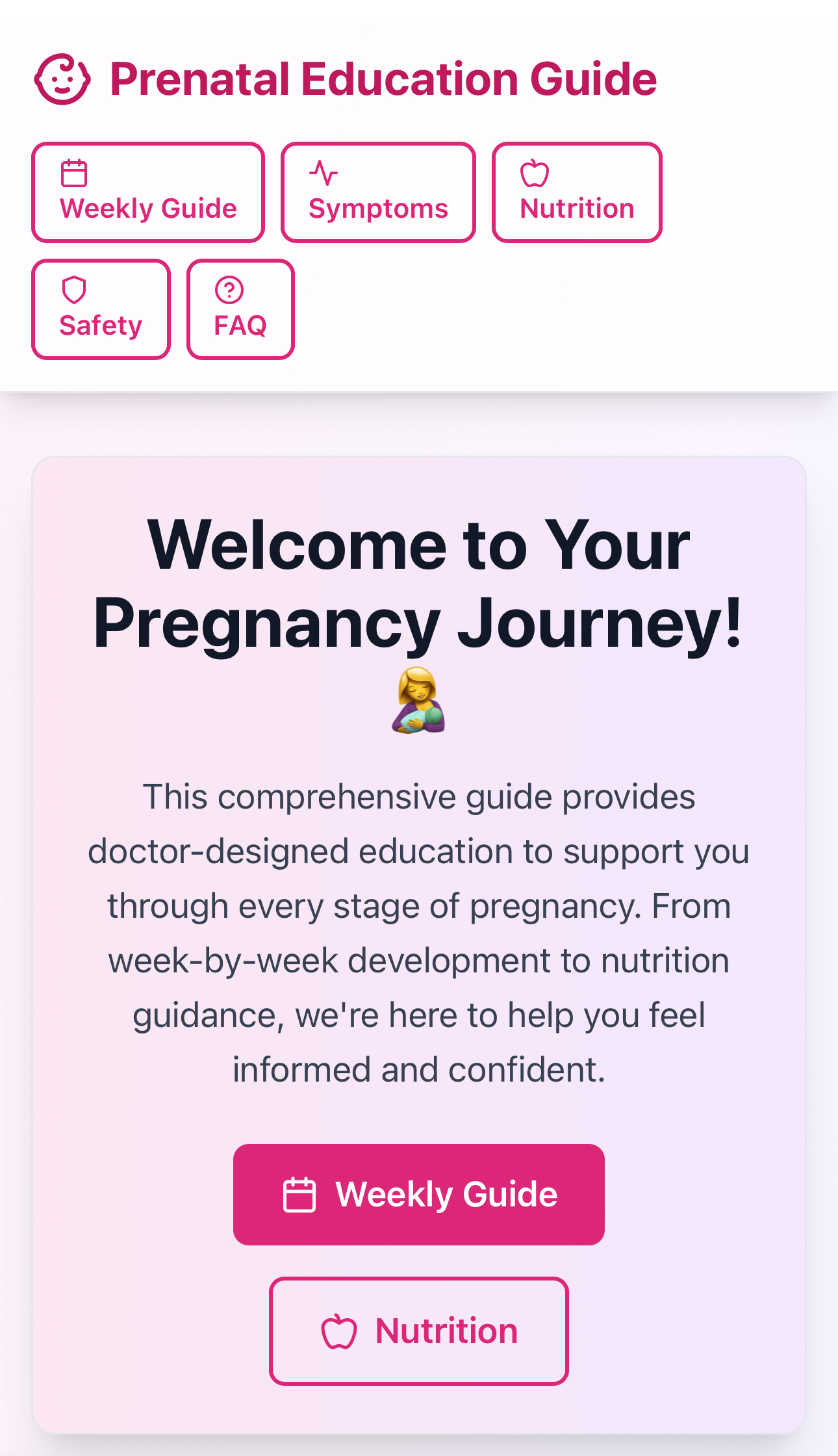
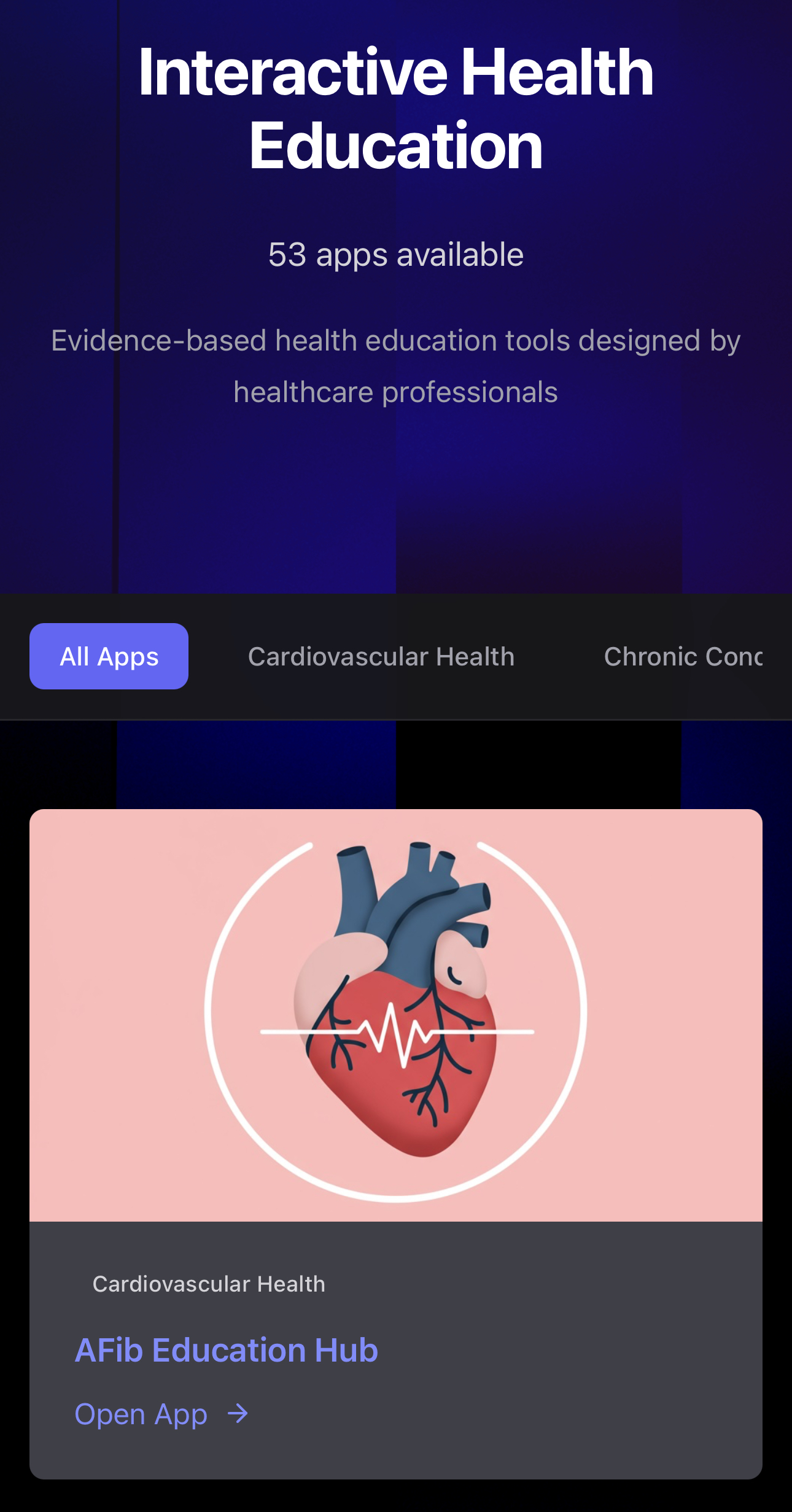
A quick overview for team review and stakeholder sharing.
Use this walkthrough when you want a fast orientation before a live review, a licensing conversation, or a broader team conversation.
Custom licensing aligned to your bundles, deployment, and brand.
Scope drives investment: which bundles you need, how you deploy, whether you want a branded build and handoff, and what level of support fits. That is why quotes follow a conversation—not a one-size-fits-all grid on the homepage.
Review the licensed bundles, the live mental health bundle page, branded deployment, and the platform overview.
Scope factors we align on a guided review
- Licensed bundles — which hero lanes and specialty add-ons match your service lines or product roadmap.
- How it is delivered — links and QR codes, iframe embeds, kiosk workflows, or a branded experience on infrastructure you control.
- Environments — domains, brands, geographies, and pilot vs production rollout.
- Handoff & support window — rebrand pass, release ownership, and agreed support—documented in the agreement, not implied.
Module lists that hold up in review
Bundle composition is tied to the production catalog (144+ modules today, growing). What you see in preview is the same structure referenced in scope and agreements—so clinical, product, and procurement stay aligned.
No public dollar amounts here by design. After scope alignment, you receive a written proposal for licensed use.
Multi-site, white-label, and full-library conversations start with the same guided review—bring procurement, clinical, and digital owners in one thread.
Concise answers to the questions that usually slow evaluation down.
Most remaining questions are about data handling, deployment, pilots, specialty coverage, and whether the platform fits broader healthcare organizations.
Do you collect patient data?
Not in standard use. The platform is designed as a patient-facing education layer that does not routinely require PHI collection to deliver the experience.
How is this deployed?
By direct link, QR code, iframe embed, kiosk or tablet workflow, or branded deployment depending on the use case.
Can we pilot it first?
Yes. Many buyers start with a live preview, a guided review, or a focused bundle before moving into a broader rollout.
Can it be branded?
Yes. Branded and white-label deployment can be discussed for larger organizations, healthcare companies, and broader rollout plans.
What is included?
The full platform includes 144+ physician-designed apps today, with nearly 200 apps soon, across major clinical specialties.
Are there specialty bundles?
Yes. Coverage is organized into licensed hero bundles and specialty add-ons—see the bundle overview. The Mental Health & Behavior page is live today; additional pages can mirror that format.
Who is this for?
Clinics, specialty practices, behavioral health groups, digital health companies, telehealth platforms, employers, health systems, and other healthcare organizations.
Is this only for clinics?
No. It is also designed for broader healthcare organizations that need a patient-facing education layer they can deploy, pilot, embed, or brand.
Review fit, licensing scope, pilots, or branded deployment.
Use this form if you are evaluating licensed coverage for a health system, digital health product, specialty group, or broader organization. The goal is to make the next conversation useful from the start.
If you still need product proof, start with the live preview and walkthrough, then reach out once you know what you want to evaluate.
This is the right path for guided reviews, bundle scope questions, deployment planning, and pilot design—quotes follow scope alignment.
Share your deployment model, timeline, and whether you are considering a focused start or a wider organizational rollout.
Choose the next step that matches your stage.
Start with live demos if you want to review modules directly, read how licensing works, or go straight to a guided review when you are ready to align scope.
If you want a deeper read first, explore the platform overview, see health systems, or branded deployment.